Optical systems engineering + prototype deliveryPalo Alto, California
    PAO / DESIGN + BUILD

    Custom optical systems, engineered from first principles.

    We design, source, build, align, and verify custom optical and optomechanical systems, moving demanding programs from architecture through working prototypes and production transfer.

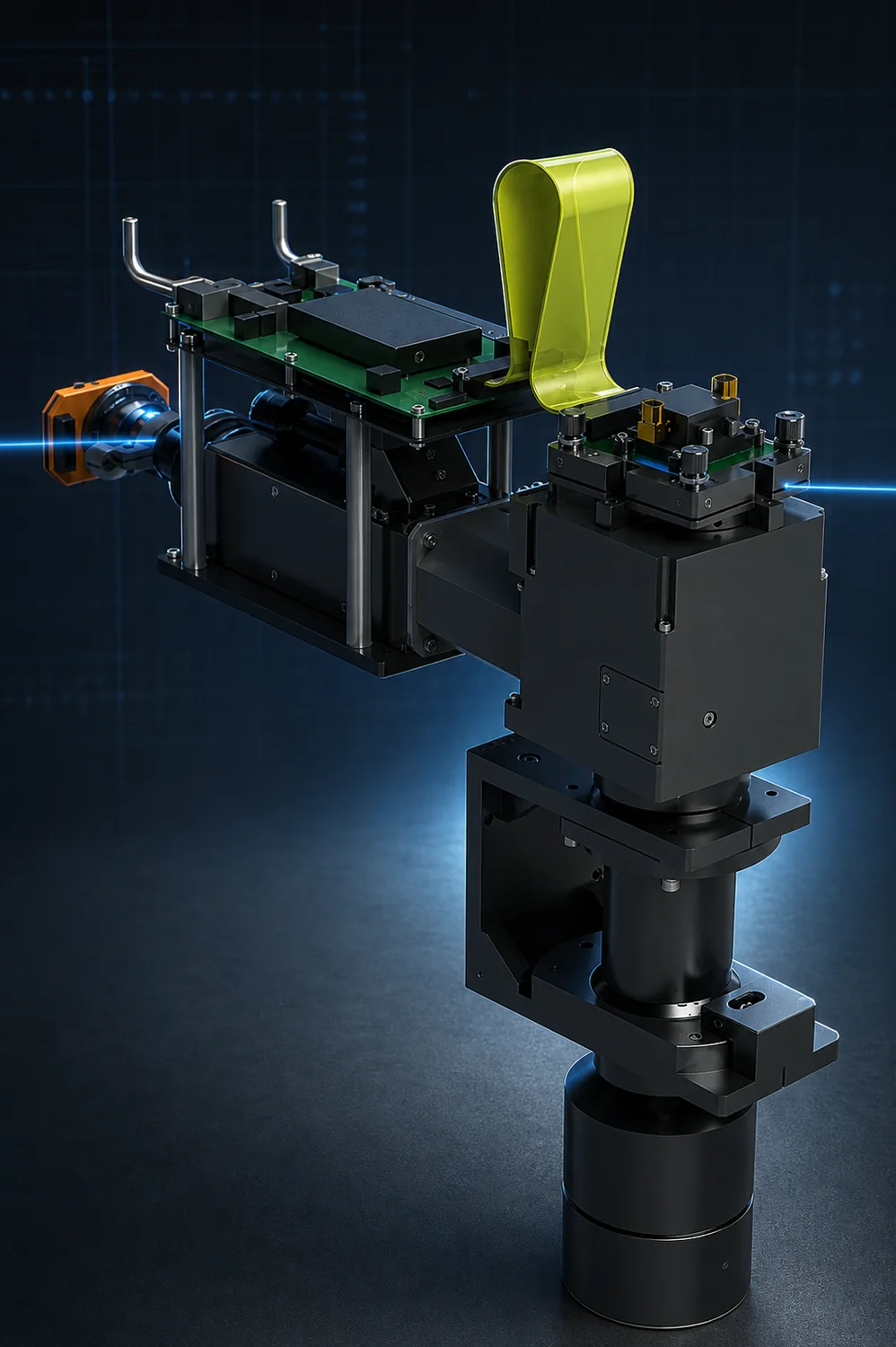
    DMD maskless lithography optical-engine assembly01
    Optical engineDMD exposure subsystem
    System architectureOptical + mechanical designCustom optics + sourcingPrototype build + testProduction transfer

    From a difficult optical requirement to working hardware.

    Engagements can begin with focused optical engineering consulting, a design review, or a feasibility study. PAO can then connect optical and mechanical design to custom components, supplier coordination, assembly, alignment, calibration, test, and a controlled path to production.

    Review design-to-hardware scope

    Program experience across design, build, and verification.

    Current confidential records protect customer identities. Prior-role principal experience is attributed separately and linked to public evidence where available.

    Optical heads arranged around a precision robotic instrument
    Confidential project recordRobotic instrumentation

    Precision vision and illumination integration

    Optical packaging around a constrained working volume, with attention to access, illumination geometry, alignment, and system integration.

    Scope
    Optical integration
    Discipline
    Optics + mechanics
    Stage
    Prototype hardware
    Airborne sensingLiDAR
    Engineering recordSystem architecture

    Dual-wavelength LiDAR architecture

    System architecture for high-altitude sensing, including transmit and receive paths, channel separation, alignment strategy, and verification planning.

    System focus
    Transmit + receive paths
    Integration
    Alignment + channel separation
    Engineering output
    Architecture + verification plan
    Biomedical systemsImaging
    Engineering recordOptics + mechanics

    Imaging-system architecture and packaging

    Optical performance translated into package constraints, alignment interfaces, tolerance budgets, and a practical path to verification.

    System focus
    Imaging architecture
    Integration
    Optics + mechanical envelope
    Engineering output
    Tolerance budget + test strategy
    Principal engineering archive

    Prior-role system experience with explicit attribution and evidence limits.

    View principal experience

    One system view, from requirements to released hardware.

    01

    Optical architecture

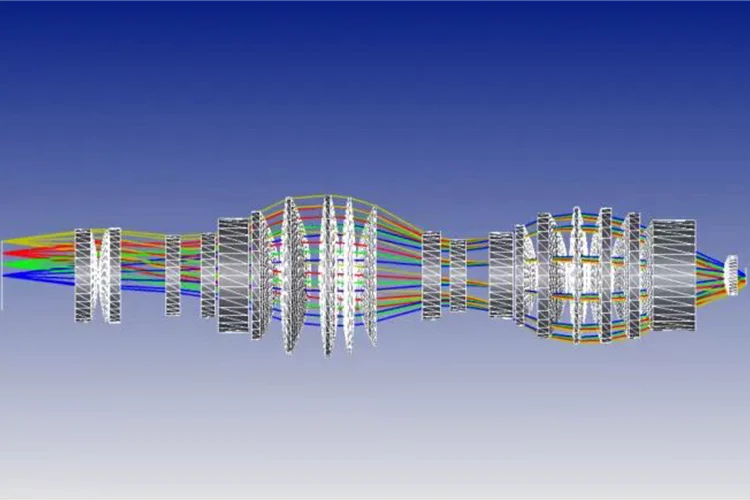
    First-order layouts, system trade studies, component selection, and performance budgets.

    02

    Imaging and illumination

    Sequential and non-sequential modeling, source and detector integration, and design optimization.

    03

    Tolerance and stray light

    Sensitivity, Monte Carlo analysis, ghost paths, baffling strategy, and manufacturability assessment.

    04

    Optomechanical engineering

    Packaging, lens retention, alignment strategy, thermal behavior, interfaces, and configuration control.

    05

    Prototype build + integration

    Custom-component sourcing, build documentation, assembly, alignment, calibration, debugging, and design iteration.

    06

    Verification and transfer

    Test planning, acceptance criteria, design documentation, and support for production release.

    PAO can deliver working optical hardware, not only recommendations.

    PAO leads the engineering and manages specialized fabrication and production resources through a controlled technical process. Customers retain one accountable engineering interface from specification through tested prototype.

    1. 01

      Engineer

      Optical architecture, detailed optical and mechanical design, tolerances, interfaces, and released drawings.

    2. 02

      Source

      Custom optics, coatings, precision-machined parts, and specialist suppliers selected against the design intent.

    3. 03

      Build

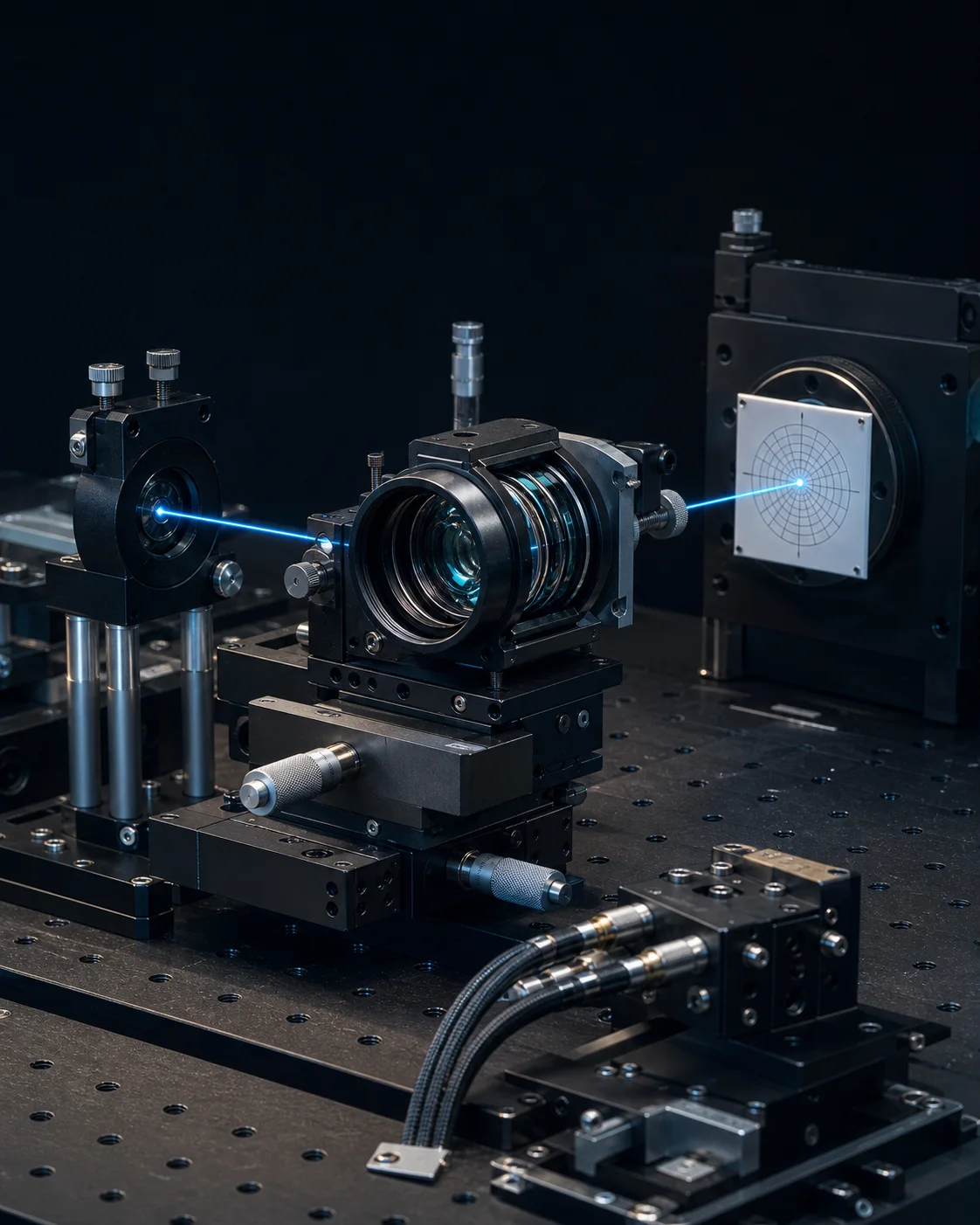
      Assembly, alignment, system integration, calibration, debugging, and the controlled iteration needed for working hardware.

    4. 04

      Verify

      Test methods, acceptance criteria, performance measurements, and documented comparison between model and hardware.

    5. 05

      Transfer

      Supplier controls, build records, acceptance documentation, and engineering support for repeatable production.

    Need a complete subsystem, proof-of-concept instrument, or production-ready prototype?

    Review prototype development

    A controlled path through technical uncertainty.

    The engagement can begin at any stage. The objective is always the same: make the next engineering decision with better evidence and less downstream risk.

    1. 01

      Technical review

      Define the system boundary, requirements, known constraints, and highest program risks.

    2. 02

      Architecture

      Compare viable concepts and establish an optical, mechanical, and verification strategy.

    3. 03

      Detailed design

      Develop the models, tolerances, interfaces, drawings, and supplier-ready documentation.

    4. 04

      Prototype and test

      Integrate hardware, diagnose performance gaps, and close the loop between model and measurement.

    5. 05

      Production transfer

      Resolve supplier issues, define acceptance criteria, and support a controlled design release.

    Built for teams that need engineering judgment, not another black box.

    01

    Clear technical scope

    Define assumptions, interfaces, deliverables, and decision criteria before detailed work begins.

    02

    Documented decisions

    Capture the tradeoffs and rationale needed for design reviews, suppliers, and future revisions.

    03

    Integrated engineering

    Treat optical, mechanical, thermal, electrical, and manufacturing constraints as one system problem.

    04

    Confidential by default

    Keep sensitive program details out of public material and establish an NDA path when needed.

    Tell us what the system must do and what hardware you need.

    Share the application, program stage, and whether you need engineering analysis, a working prototype, a custom optical assembly, or production-transfer support.